


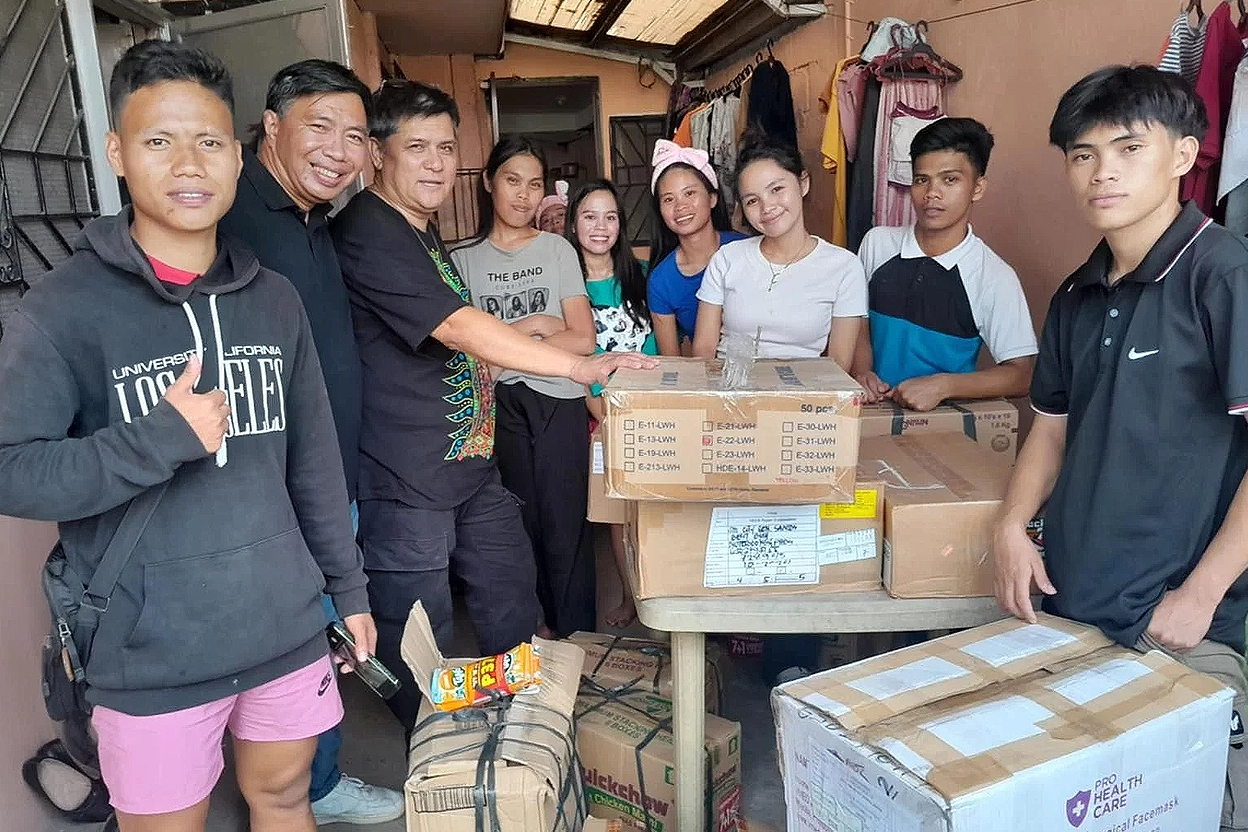
Over time, you discover that volunteering transforms faith from abstract belief into lived practice by aligning your actions with spiritual values, strengthening empathy, and inviting deeper prayer and reflection; serving others challenges and refines your convictions while providing concrete experiences that shape character, deepen communal bonds, and reveal new layers of meaning in your spiritual journey.


Lessons from the Master: Jesus and Servanthood
Jesus reframed leadership by serving—Mark 10:45 and John 13 show a leader who lowers himself to practical care, not abstract preaching, so you learn that discipleship is measured in hands-on service. Observing His actions, you shift from thinking service is optional to seeing it as the primary means by which faith is lived out, tested, and transformed in community.The Significance of Washing Feet: A Humble Act
When Jesus washed the disciples’ feet (John 13:1–17), He performed a task normally done by household servants, signaling that humility trumps status; you can emulate this by taking on the low-status, high-impact tasks others avoid—cleaning, caregiving, listening—demonstrating love through concrete, often unseen, labor.The Call to Serve: Emulating Christ’s Example
Christ’s example invites you into service across contexts: hospice visitation, disaster response, tutoring, or shelter ministry; following His model means committing time—start with 2–4 hours weekly—and treating routine tasks as spiritual practices that form patience, compassion, and moral courage. Adopt practical rhythms: commit to one weekly shift (about 100–200 hours annually), keep a service-and-prayer journal to track growth, pair with a mentor for accountability, and rotate responsibilities so you practice both visible leadership and hidden service; these concrete habits help you translate imitation into sustained discipleship.Spiritual Transformation Through Service
Serving regularly reshapes your spiritual life by turning belief into action; committing 4+ hours weekly to direct service forces you to wrestle with mercy, justice, and personal sacrifice. You encounter concrete stories that challenge easy answers, which often deepens prayer and scripture engagement as you seek guidance for real-world decisions. That steady exposure converts abstract theology into a lived vocation, sharpening your sense of calling and moral clarity.Building Faith: How Volunteering Enhances Personal Beliefs
You deepen belief by watching long-term results: in a parish tutoring program serving 120 students a year, volunteers tracked attendance and reading gains, which reinforced trust in patience and providence. Hands-on mentoring, hospital chaplaincy shifts, or weekly soup-kitchen service test and expand your theology—prompting new questions, stronger convictions, and a felt connection between doctrine and daily compassion.The Power of Community: Strengthening Bonds While Serving
Serving with teams of 6–12 people creates sustained relationships that bolster faith through accountability, shared learning, and collective worship after shifts. You bond during repetitive tasks and debriefs, forming trust that spills into prayer groups, leadership roles, and mutual support during crises. Those networks often become the primary context where theological insights are practiced and refined together. Longer-term examples show how community cements faith: a Habitat for Humanity build bringing 40 volunteers over two weekends frequently turns into a monthly service cohort that meets for reflection and prayer, while a city food bank’s 50-week volunteer roster produces mentorship pairs and small groups. You benefit from these structures through role modeling, conflict resolution practice, and shared narratives that transform individual charity into a communal spiritual discipline.