


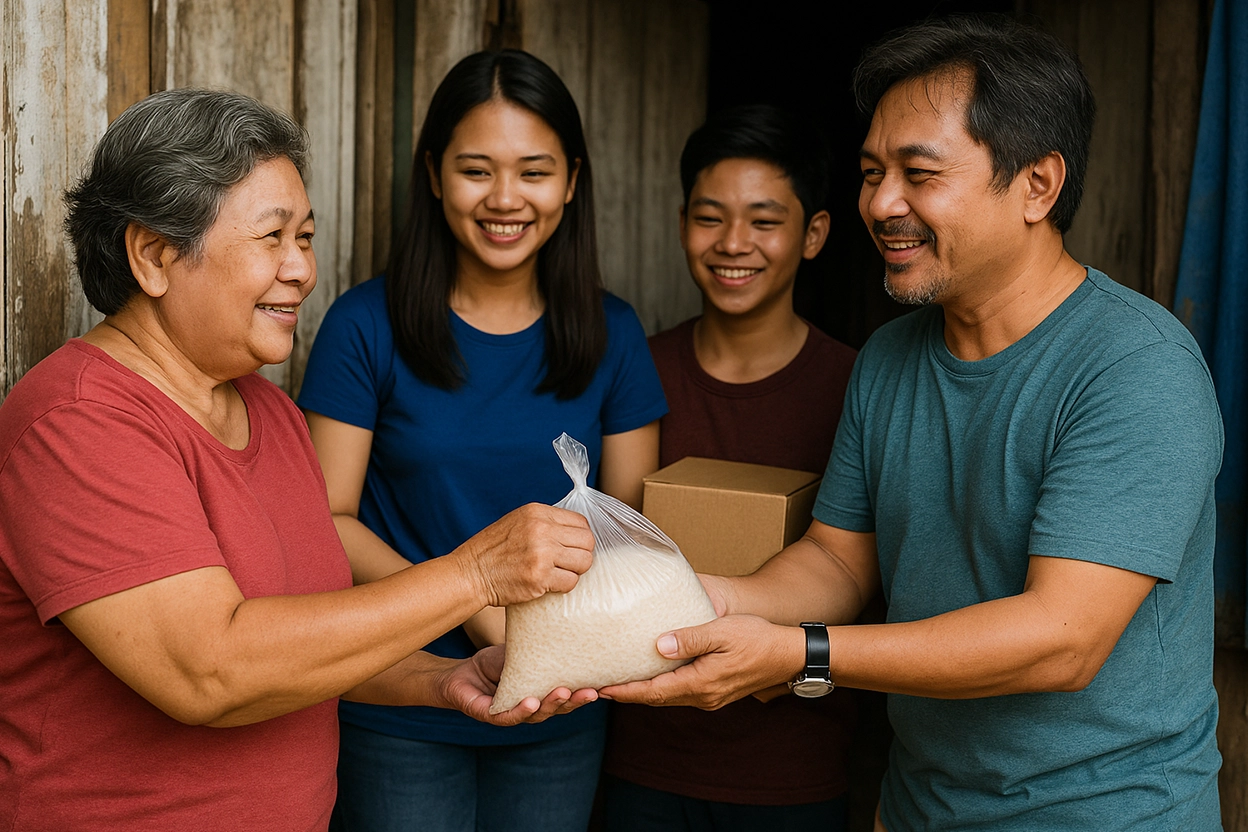
There’s a powerful connection between Christian giving and real community transformation. Every time you give—whether it’s a humble P100 envelope offering, a monthly pledge, or your volunteer hours—you become part of a long tradition of bayanihan that feeds hungry families, supports students, strengthens churches, and restores dignity to people who feel forgotten.
In the Philippines, where many communities still face poverty, disasters, and unemployment, every act of generosity carries a multiplied impact. One person’s kindness becomes another person’s breakthrough, inspiring entire barangays to rise together in hope and faith.
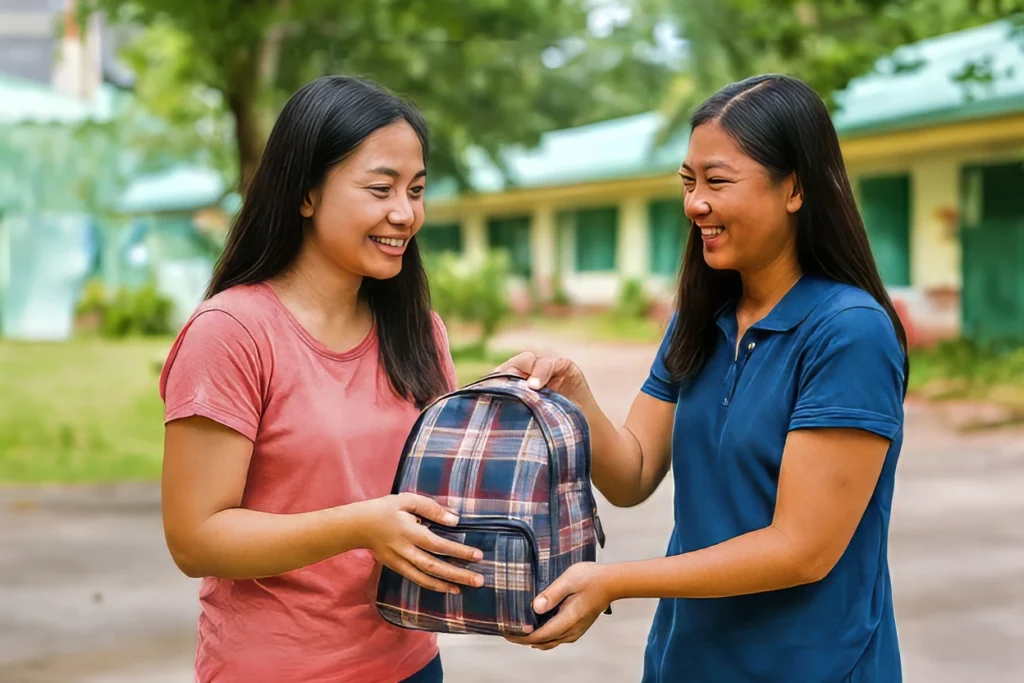
The Domino Effect: How One Kind Gesture Transforms Lives
The Journey from Donor to Recipient
Your P500 monthly pledge to a parish outreach or Christian ministry may feel small—but in one barangay chapel in Bulacan, that same amount helped sustain a feeding program that prepared over 1,800 meals in a year. Through volunteer cooks, donated ingredients from a local palengke, and a partnership with a nearby carinderia, children stopped coming to school hungry.
Grades improved. Parents cried in gratitude because one simple gift freed them from choosing between pamasahe and lunch. What began with one donor’s pledge became a chain reaction of hope that strengthened an entire community.
Unveiling the Community Impact
When you help fund a P30,000 micro-loan pool with your church or ministry group, you empower sari-sari store owners, tricycle drivers, and home-based entrepreneurs.
One church in Iloilo shared that 20 families received small loans to restock their stores, purchase a second-hand freezer, or buy capital for homemade snacks. Within months:
- New sari-sari stores reopened
- A young mother hired her first helper
- Tricycle drivers increased their daily income
- Families repaired roofs damaged by recent storms
Your giving doesn’t end with the money—it sparks livelihood, dignity, and forward momentum.
Tracking outcomes paints the full picture. In one urban outreach in Manila:
- School attendance rose by 15%
- Household income increased by 20–25%
- Emergency clinic visits dropped by 12%
When you give strategically, you shape not only individual lives but also the future of entire communities.
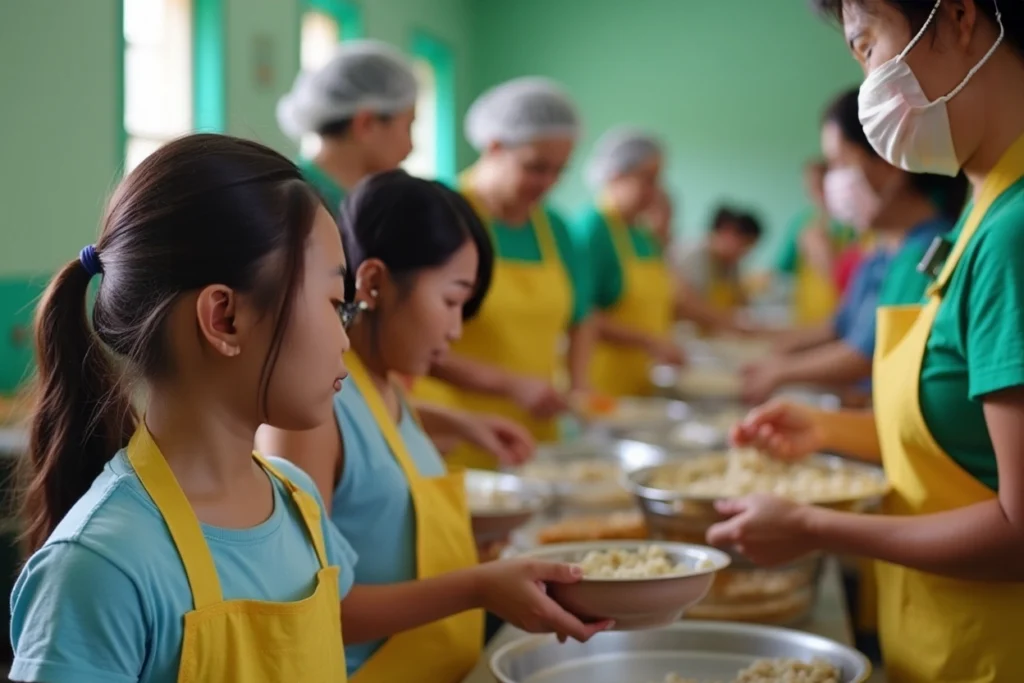
Miracles in Modern Giving: Lessons from Loaves and Fishes
A Biblical Blueprint for Generosity
The miracle of the five loaves and two fish remains deeply relatable in the Philippines, where communities often share what little they have.
You see this during feeding programs after Sunday Mass, during relief operations after typhoons, and in impromptu community pantries. Just as Jesus organized people into groups and empowered His disciples to distribute what was available, modern ministries multiply impact through careful coordination, volunteer teams, and shared resources.
Real-Life Adaptations of the Miracle
Across the country, you’ll find:
- Mobile kusinas serving hot meals after typhoons in Bicol and Eastern Visayas
- Community fridges in barangays where anyone can “kuha kung kailangan, bigay kung kaya”
- Church-led food rescue partnerships with groceries in Metro Manila
- Pop-up feeding sites set up in gymnasiums after floods
When P50,000 in donations is partnered with rescued vegetables, volunteer cooks, and donated rice, ministries can serve thousands of meals—stretching every peso into acts of life-saving compassion.
Tracking the work matters. Outreach teams measure:
- Meals served
- Households reached
- Volunteer hours
- Cost per meal
A well-coordinated Philippine feeding program can serve 500–1,000 meals per week at just P40–P60 per meal when paired with food rescue and volunteer manpower.
Community Chronicles: Stories of Generosity in Action
Renovating Hope Through Church Collaboration
A network of 12 churches in Mindanao pooled their resources to renovate a community center that now serves over 3,000 people a year. They expanded a simple multipurpose hall into a center where youths attend coaching sessions, mothers access livelihood training, and seniors gather during medical missions.
Volunteer participation increased by 40%, proving that generosity isn’t just financial—it’s relational, cultural, and spiritual.
Case Study: Feeding Families Through Local Partnerships
In Quezon City, a mid-sized church partnered with three grocery stores and the local DSWD office to distribute 1,000 family food boxes per month across multiple barangays.
Volunteers packed goods, parents lined up with their IDs, and social workers coordinated logistics. The result?
The number of families requesting emergency help at a nearby shelter dropped by half.
Case Study: Empowering Youth and Fostering Growth
A youth ministry coalition in Cebu launched a scholarship and mentorship program for high school and college students.
With a modest P2 million annual budget, they supported 200 students in STEM and leadership tracks. Results included:
- College enrollment up 30%
- 60 students securing internships
- Multiple students landing their first-ever jobs
One pilot group saw average GPA improvements of 0.6 points in just one school year.
The Power of Collaboration: Creating Networks of Hope
Church Partnerships as Catalysts for Change
Working together transforms small efforts into life-changing initiatives. In the Philippines, partnerships between churches, barangay councils, NGOs, and local businesses create sustainable programs such as:
- Free clinics at barangay halls
- Weekly feeding ministries
- Job and livelihood training
- Disaster response teams
- Community learning hubs
Churches offer space, volunteers, and faith-driven generosity. NGOs bring structure and expertise. LGUs provide coordination. The result? Long-term, measurable impact.
Group Initiatives That Amplify Generosity
Through giving circles, ministry alliances, and community service days, Filipino Christians combine small gifts into large-scale projects—such as refurbishing evacuation centers, funding student scholars, or rehabilitating daycare centers.
Organizing one successful initiative involves:
- A small steering team
- Clear donation commitments
- Criteria for assistance
- Tracking of funds, volunteer hours, and people served
A well-documented pilot project builds trust and attracts more partners, eventually sustaining programs that serve hundreds of families annually.
Taking Action: How You Can Ignite a Ripple Effect
Your personal commitment—no matter how small—can transform entire communities.
Give a weekly hour to volunteer. Pledge a small monthly donation. Support a church-driven emergency fund. Pair personal giving with institutional support like matching campaigns. In one six-month drive, a P500,000 matching grant doubled contributions and launched a neighborhood tutoring hub in Laguna.
Inspiring Individual Contributions
Churches have seen dramatic results when they combine testimonies, stewardship teachings, and practical budgeting workshops. One parish saw:
- Donations rise by 30%
- Volunteer participation increase by 18%
Small steps—like committing to increase giving by 1% or volunteering once a month—become building blocks of a more compassionate community.
Engaging the Broader Community
Partnerships with schools, food banks, cooperatives, and barangay councils allow congregations to reach hundreds per month.
Five churches in Pampanga pooled resources to run a seasonal shelter for 20 homeless individuals, complete with meals, prayer meetings, and job referrals.
Transparent reporting builds trust, while storytelling and testimonies inspire new volunteers—expanding the network of hope.
Final Words
When you practice Christian generosity in the Philippine context, your giving becomes a spark that awakens hope in families, barangays, and entire communities.
Your kindness feeds children, strengthens churches, empowers livelihood programs, and brings healing to those who feel unseen.
In a nation shaped by faith, compassion, and bayanihan, your stewardship becomes a living testimony of God’s love—multiplied again and again in the lives you touch.