



Many passages in Scripture call you to give sacrificially, showing that generosity is a spiritual discipline that transforms both recipients and your own character; as you give, you model God’s provision, strengthen community, and cultivate humility, compassion, and trust in divine provision—practical evidence that biblical giving changes lives in tangible and lasting ways.
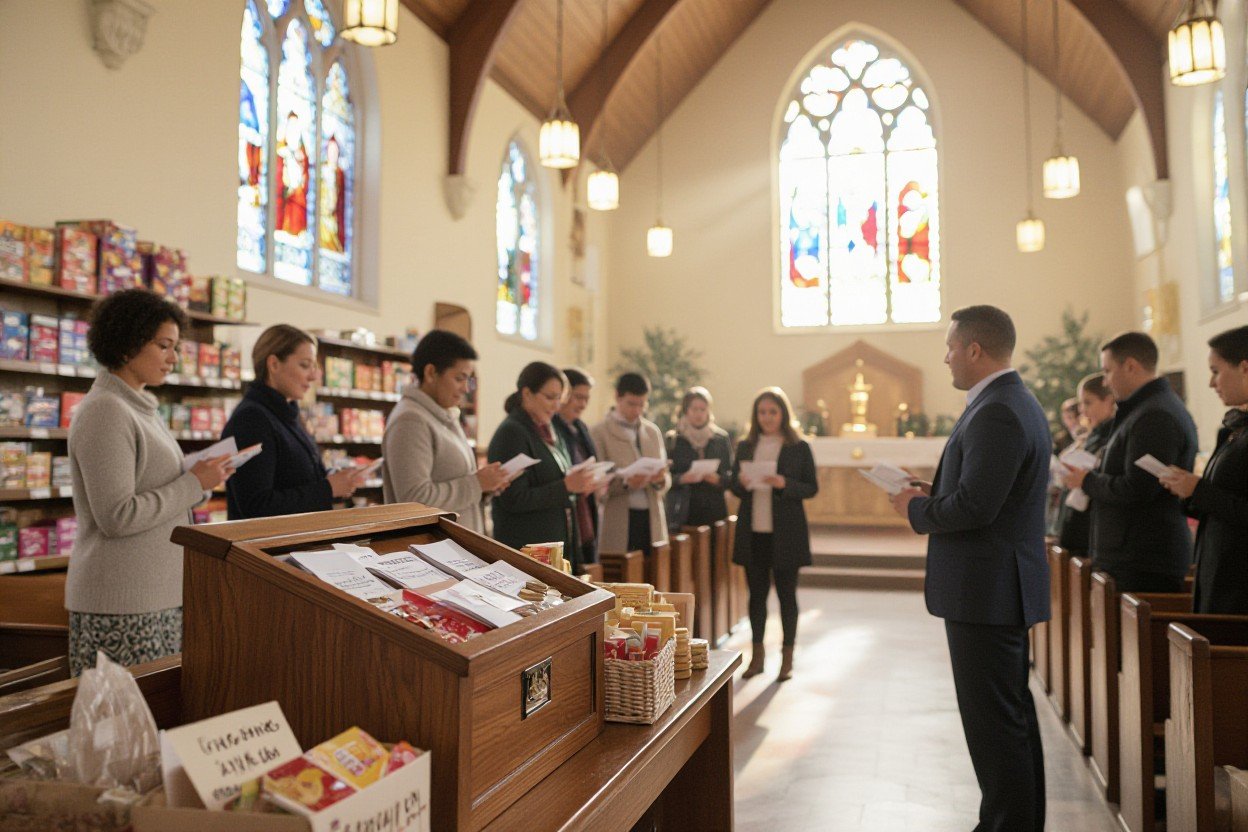
Scriptural Foundations of Generosity
The Call in 2 Corinthians 9:7: Cheerful Giving
Paul, writing around AD 55, frames giving as a matter of the heart in 2 Corinthians 9:7: you give what you decide, not reluctantly, and cheerfulness matters. When you choose to give freely—whether that means a 1% gift, a 10% tithe, or occasional sacrificial offerings—you model stewardship and cultivate trust; congregations that teach intentional, joy-driven giving often see steadier support for outreach and relief efforts over time.
Lessons from Acts 20:35: The Joy of Giving More Than Receiving
Speaking in Miletus to the Ephesian elders (Acts 20:17–38, around AD 57), Paul quotes Jesus: “It is more blessed to give than to receive,” a line Luke preserves though not found in the Gospels. This flips common expectations: when you put others’ needs ahead of your own, you align with a leadership ethic of service, motivating sustained generosity among believers and practical care for vulnerable members.
Applying Acts 20:35 looks like concrete actions: you might commit two hours weekly mentoring youth, sponsor a child for $30–50 monthly, or join a relief team that leverages pooled gifts for greater impact. Faith-based microloan platforms report repayment rates near 95–98%, showing how strategic giving can be both generous and sustainable; your choices can multiply benefits long after the initial gift.
Generosity as a Spiritual Discipline
Consider generosity alongside prayer and fasting as a regular practice that shapes your soul: schedule it, measure it, and treat it as training. Historical practice like the 10% tithe gives a concrete benchmark, while modern rhythms—weekly offerings, monthly charitable transfers, annual legacy gifts—build habit. Regular, intentional giving rewires priorities, trains your trust in God and neighbor, and produces observable changes in how you manage time, money, and attention.
Transformative Power of Intentional Giving
When you give with purpose—setting a percentage, naming beneficiaries, or automating donations—you reorient resources and reshape desires. New Testament examples, such as the Macedonian churches who gave beyond their means (2 Corinthians 8), show sacrificial generosity producing communal renewal. Practically, automated monthly gifts and percentage-based plans (start at 1–2% and increase) reduce decision fatigue and reliably redirect income toward kingdom priorities.
Cultivating a Generous Heart Through Practice
Begin with concrete disciplines: commit to a 30-day giving challenge, pledge a set percentage of income, or offer one hour weekly to serve a neighbor. Track donations and volunteer hours, reflect weekly in a journal, and enlist an accountability partner at church. Small, repeated acts—$5 gifts, regular hospitality, incremental percent increases—habitize generosity until it becomes instinctive rather than occasional.
Practical steps make growth measurable: map your budget, allocate an initial 1% for giving this month, then raise by 1% each quarter until you reach your target (many aim for 10%). Combine financial giving with time—commit five volunteer hours monthly—and record outcomes: who benefited, how your priorities shifted, and spiritual reflections. Use these metrics in a quarterly review with a mentor to sustain momentum and evaluate impact.
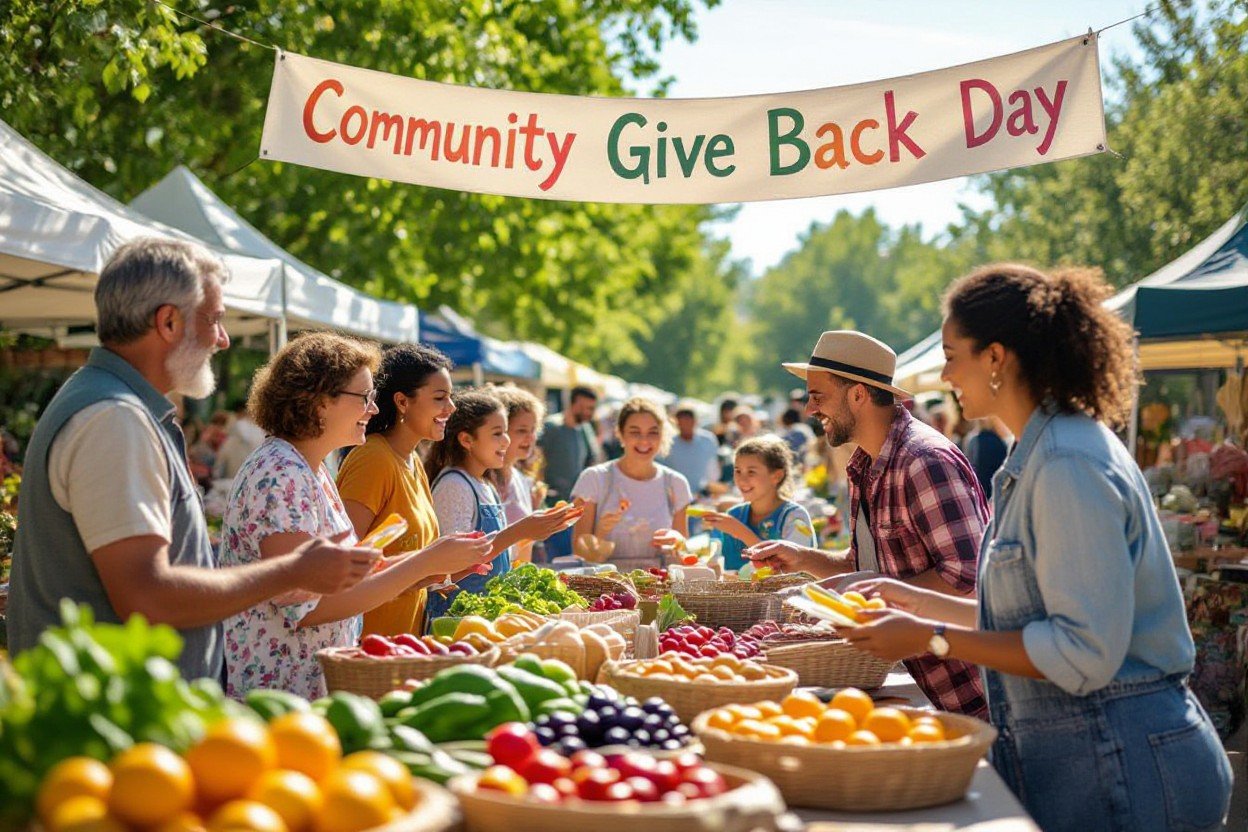
The Ripple Effect of Generosity
One gift often sparks a chain reaction: a grocery voucher stabilizes a family for a week, enabling a parent to keep a job and a child to stay in school, while a small seed fund can launch a microenterprise that hires neighbors. Historical models like Grameen-style microloans and church-led community funds have scaled this effect, showing how targeted generosity multiplies beyond the initial act and reshapes local economies and relationships.
How Recipients Are Empowered Through Acts of Kindness
You witness empowerment when aid pairs with dignity: vocational training turns recipients into employers, microloans become capital for entrepreneurs, and mentoring restores confidence. Programs that combine cash assistance with skills training report much higher long-term success than one-time aid; beneficiaries move from dependence to contribution, so your gift becomes an investment in competence, income stability, and community resilience.
Spiritual Growth for Givers: A Journey of Faith
You deepen your faith through consistent giving as obedience and trust replace fear. Scriptural examples like Acts 20:35—“it is more blessed to give than to receive”—align with behavioral studies showing prosocial spending raises long-term well-being; giving becomes a spiritual discipline that reshapes priorities and strengthens your reliance on God over material security.
Neuroscience and pastoral experience converge: fMRI studies show generosity activates reward circuits, while regular tithing and service cultivate habits of compassion, patience, and humility. As you practice sacrificial giving, you often see measurable growth—greater contentment, clearer stewardship decisions, and increased willingness to serve—transformations that testify to both psychological and spiritual renewal in your life.

Inspiring Testimonies: Lives Forever Changed
A church microloan program in Lagos turned 120 unemployed youth into small business owners within 18 months, increasing household incomes by an average of 35%. A widow in Ohio who received emergency aid now mentors 30 families weekly after completing a faith-based entrepreneurship course. You see how targeted giving converts immediate relief into sustainable livelihood and leadership across diverse settings.
Real-Life Stories of Impact
A $50 seed gift funded vocational training for 25 teens in Manila; 20 secured steady work within six months and three started cooperatives that now employ 12 others. In your congregation, one-time scholarships enabled a student to graduate nursing school and return to serve her rural clinic. Those personal stories show giving’s ripple from individual dignity to community care.
The Greater Community Transformation
Neighborhoods where churches coordinate giving and services often record measurable gains: school attendance rises, microenterprises launch, and food insecurity falls. You witness schools reporting 12–18% higher attendance after feeding programs, while small loans and training circulate capital and skills that bolster local markets and social cohesion.
Consider a five-year parish initiative combining scholarships, microloans, and after-school programs: youth unemployment dropped roughly 30%, local crime complaints declined by a similar margin, and primary completion rose about 15%. Your continued giving sustains these compounding effects, enabling infrastructure repair, long-term planning, and community-led development.
Embracing the Joy of Giving: A Call to Action
You can translate conviction into practice by setting tangible giving goals: allocate 1–5% of your income or commit 2 hours monthly to service, then track results for 90 days. Research such as Dunn, Aknin & Norton shows prosocial spending boosts well-being; your consistent, measurable giving strengthens faith, sharpens stewardship, and tangibly changes lives in your neighborhood.
Steps to Becoming a Cheerful Giver
You can start by automating one small gift: schedule $10 weekly or 1% of each paycheck, then raise it incrementally by 0.5% every six months. Keep a simple ledger—track people helped, hours served, and outcomes—and give anonymously once a month to cultivate joy independent of recognition; within a year you’ll see measurable spiritual and emotional growth.
Encouragement to Share: Creating a Culture of Generosity
You can seed generosity by modeling giving: leaders pledge public commitments, quantify impact (e.g., 300 meals served, $5,000 raised in a quarter), and share monthly testimonies. Visible metrics and stories convert abstract ideals into actionable practices, motivating others to join and sustain long-term participation.
You can implement quarterly “Serve Days” where you and volunteers aim for concrete targets—assemble 500 care kits, volunteer 200 hours, or raise $10,000 for a local shelter—and publish outcomes in a quarterly report. You train volunteers with a 30-minute onboarding, spotlight one beneficiary monthly, and use simple dashboards so transparency in budgets and impact moves members from passive donors to engaged stewards.
To wrap up
Ultimately you are called by Scripture to generous living because your giving reshapes both others’ circumstances and your own heart, producing compassion, humility, and trust in God’s provision. When you share resources, you participate in God’s work, foster community resilience, and cultivate spiritual growth; your sacrificial giving aligns priorities, breaks self-centeredness, and opens pathways for abundant life to flow to both recipient and giver.