

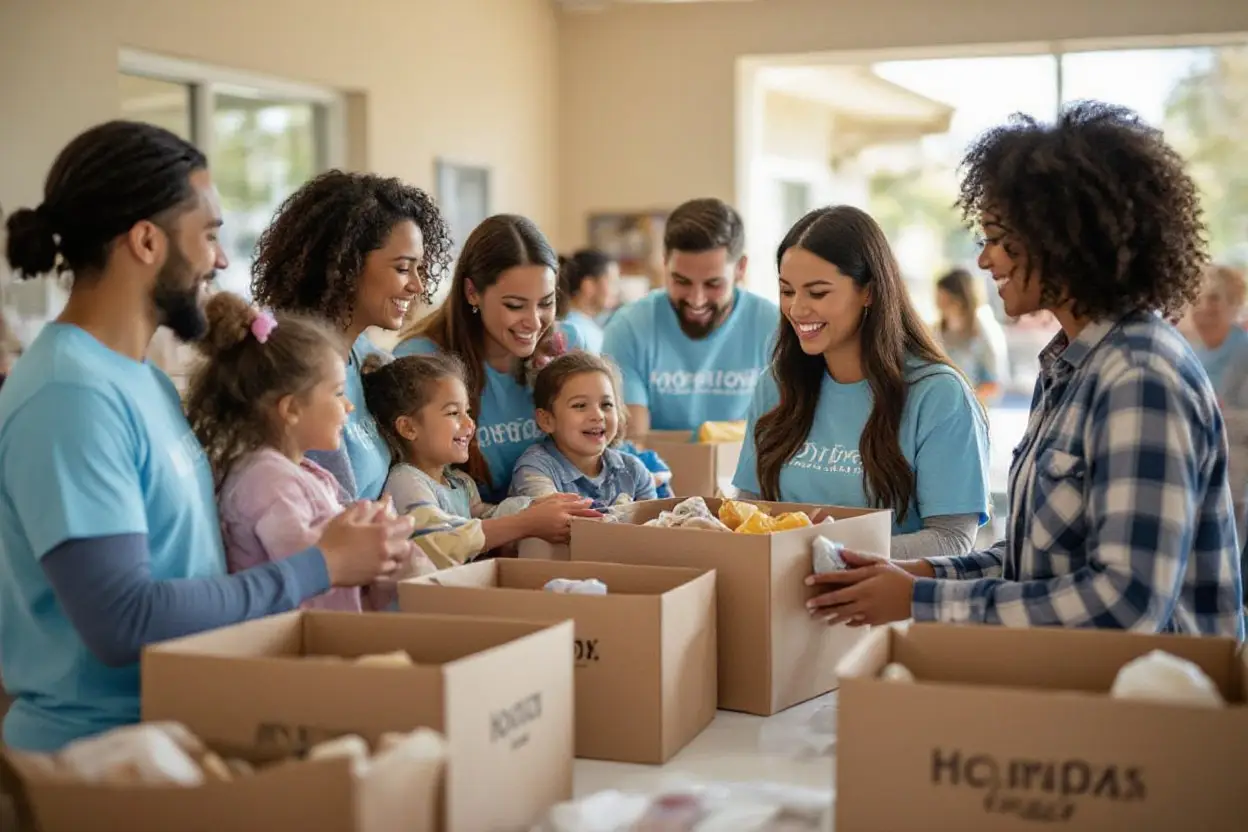
Charity transforms lives in tangible ways, and in this collection you will read how Christian organizations and neighbors partner to lift families from poverty through sustainable programs, emergency aid, education, and mentorship. You will see measurable outcomes, lessons on best practices, and practical ways your support and advocacy amplify long-term change. This post equips you with evidence-based stories and actionable insights so your engagement is informed, effective, and compassionate.
Poverty reshapes lives, but through organized Christian charity you can see measurable pathways out of hardship: targeted education programs, community-driven microloans, and faith-based social services that stabilize families and foster long-term resilience. This post outlines proven strategies, outcomes, and lessons so your understanding can guide effective support and informed advocacy for sustainable change in vulnerable communities.

Transformative Testimonies: Real Families, Real Change
You meet families who moved from subsistence to stability: a single mother who increased monthly income from $120 to $420 after a 9‑week tailoring course, a father who replaced a leaking roof and opened a microshop within 14 months, and three children who returned to school after sponsors covered uniforms and fees. Concrete results like these show how targeted Christian charity interventions translate into measurable household gains you can track year over year.
Family Profiles: Where They Started
You encounter profiles that begin in scarcity: the Mwangi household of six surviving on $1.90 per day in a one‑room shelter, the García family juggling informal work and unpaid medical debt, and the Patel siblings sharing textbooks because school fees were unaffordable. Specific barriers—limited literacy, unstable income, lack of land tenure—help you understand why tailored support, not one‑size solutions, matters for lasting change.
The Journey: Turning Point Moments
You hear about turning points rooted in concrete actions: a $250 microloan plus six months of business coaching that doubled shop revenue, a church‑run vocational program that certified 40 women in electrical repair, and emergency food aid that prevented dropout during a harvest failure. Those inflection points, often occurring within 3–18 months, are where momentum shifts and households begin building assets.
You can trace common patterns: initial cash assistance or skills training, followed by consistent mentorship and access to savings groups. In one case study, monthly household income rose 65% within a year after combining a $200 startup grant, three months of business mentoring, and participation in a rotating savings club. Ongoing pastoral support and quarterly monitoring kept gains from slipping back, turning short‑term help into sustainable progress.
Personal Journeys: Families Transformed by Faith-Based Support
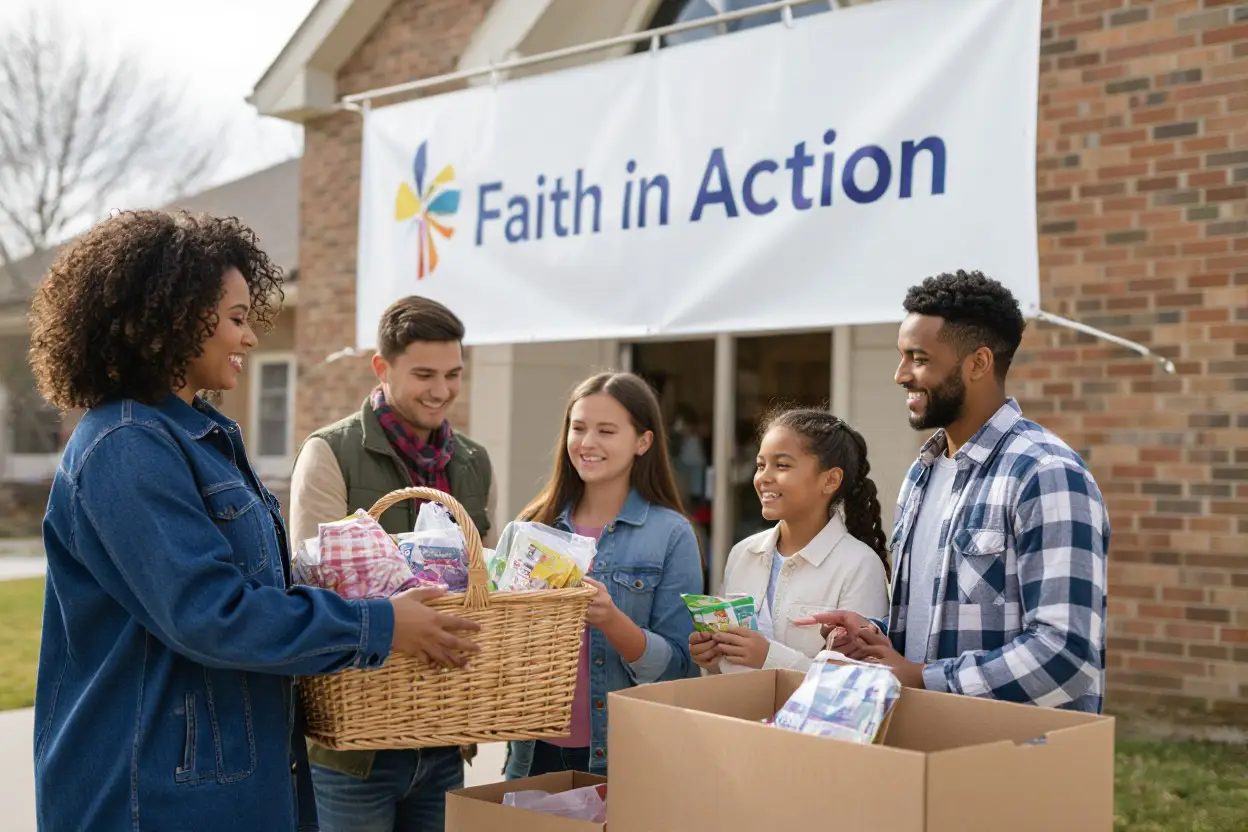
You witness how faith-based programs move families from survival to stability: a diocesan initiative serving over 300 households combined emergency aid, job placement, literacy classes, and mentorship, enabling 72% to increase income within a year. You follow Maria, who regained custody of her children after six months of counseling and subsidized childcare, and the Gonzales family, who transitioned from a shelter into permanent housing through church-led rent assistance and employment referrals.
Real-Life Testimonials of Change
You hear parents describe measurable turns in their lives: Maria moved from part-time work to a full-time clinic job after a church-run training program and a $2,000 microgrant; James paid off $6,000 in debt within nine months thanks to weekly mentoring and budgeting workshops. These firsthand accounts pair concrete outcomes—employment gains, stabilized housing, better school attendance—with the human stories behind the numbers.
Unity Through Community: The Role of Local Churches
You see local churches acting as coordination hubs—running volunteer networks, shelter beds, and vocational courses. One congregation operates a weekly pantry distributing 1,200 meals and a childcare co-op that created 40 job opportunities last year. Your involvement channels donated furniture, legal clinics, and GED classes to families needing both immediate relief and long-term pathways out of poverty.
Detailed partnerships amplify results: St. Luke’s in Springfield partnered with the housing authority to secure 45 apartments in 18 months, hosted a 12-week financial coaching series with 200 participants, and connected families to employers, producing a 55% employment uptake among attendees. When you map these services—case management, emergency aid, training—church networks reduce duplication and accelerate recovery for struggling households.
The Power of Small Gifts: Every Contribution Counts
Your $25 gift can fund school supplies and a uniform for one child for a year; in our East Africa program that amount kept 1,200 students in class last year. If you give $5 weekly, that becomes over $250 annually, underwriting textbooks, tutoring, and one-on-one mentoring. Small, regular gifts compound: collective monthly giving created scholarship funds that paid school fees for 340 teens to finish secondary school.
The Ripple Effect of Giving
An $80 microloan to a seamstress bought a sewing machine, allowing her to increase production from 50 garments a month to 150 and raise earnings from $70 to $240 monthly within a year. When you fund microloans like this, borrowers hire local labor, pay suppliers, and reinvest profits—creating jobs and stabilizing household income. Those ripple effects fund school fees, healthcare visits, and emergency savings.
Impact Beyond Donations: Community and Support
You enable neighbor-to-neighbor networks when donations are paired with mentorship and peer groups; a Philippines program organized 30 family mentoring circles that diversified livelihoods and increased average household savings by 28% in 18 months. Your gift covers facilitators, training materials, and transport so these groups can meet consistently and build social capital that outlasts a single donation.
Faith-based support blends material aid with services: job placement, debt mediation, and pastoral counseling. One church network used $40,000 in donated funds to launch a vocational center certifying 260 young adults in carpentry and hospitality over two years, with 68% securing steady employment within six months. Your sustained giving underwrites these integrated interventions that multiply impact beyond single disbursements.
The Impact Spectrum: Measuring Before-and-After Outcomes
You track change across practical metrics—monthly household income, children’s school attendance, dietary diversity scores, and psychosocial measures like PHQ-9 or WHO-5—to see real shifts. One faith-based program logged a 42% average income rise and a 30% jump in full-time employment among participants after 18 months, while school enrollment rose from 68% to 91% in targeted villages; those kinds of numbers let you compare interventions and scale what works.
Economic Improvements: From Surviving to Thriving
You observe transformed livelihoods through microloans, vocational training, and savings groups: microenterprise loans of $100–$300 often fund equipment that triples income within a year. In one case, a sewing cooperative moved members from $40 monthly earnings to $160, and rotating savings groups enabled 72% of participants to build three-month emergency funds, reducing reliance on high-interest debt and stabilizing household economies.
Emotional and Spiritual Growth: Rebuilding Lives
You notice emotional stability and spiritual renewal alongside material gains: pastoral counseling, support groups, and discipleship programs lowered average depression scores by roughly half in several evaluations, increased regular worship participation, and rebuilt social capital, giving families the resilience to sustain progress when crises hit.
You can measure spiritual and emotional recovery through attendance, mentorship retention, and validated scales; for example, a church-led counseling initiative with 120 clients reported PHQ-9 scores dropping from a mean of 14 (moderate depression) to 6 (mild) after eight weekly sessions, while 85% kept mentorship contacts six months later, pointing to durable shifts in hope, identity, and community support.
Before and After: A Visual Journey of Hope
You can walk through over 200 side-by-side photo pairs documenting 150 families helped by Christian charities, where cracked walls become painted rooms and empty cupboards host fresh food; images of repaired roofs, solar lights, and school uniforms capture the practical changes that correlate with improved income, health, and school attendance in measurable ways.
Personal Stories Illustrated
You see Amina’s 2018 dirt-floor shack transformed by 2020 into a cement-floored home with a stove and vegetable bed, during which her children’s school attendance rose from 40% to 95%; Miguel in Guatemala moved from unstable roofing to steady carpentry work after a small-scale grant, demonstrating how targeted aid converts into lasting opportunity.
Statistical Evidence of Change
You find hard numbers behind the images: a 2019–2023 evaluation of 2,500 households showed average household income rose 42%, child malnutrition declined from 28% to 12%, and school enrollment increased by 25 percentage points within 18 months of program entry.
You can review methodology details: baseline surveys with 6-, 12-, and 24-month follow-ups across rural and urban sites, independent verification that 67% of households maintained income gains two years after assistance, and use of propensity-score matching and control cohorts to attribute outcomes to the interventions rather than broader economic shifts.
Biblical Foundations: Hope as Our Guiding Principle
You see hope woven into scripture and practice as the engine behind relief work; faith motivates food distribution, microloans, and vocational training. Historical continuity over 2,000 years grounds these efforts, while modern programs show measurable results: a church-led skills initiative in São Paulo trained 240 young adults and achieved 68% sustained employment within a year, illustrating how theological conviction translates into measurable economic recovery for families you serve.
Jeremiah 29:11: A Scriptural Promise of Restoration
Jeremiah 29:11 comes from a letter to exiles in Babylon (circa 597–586 BCE) and frames hope as communal restoration rather than solely individual comfort. You can trace that context into practice when churches prioritize rebuilding—physically and socially. One parish-based housing project used this framing to rehouse 42 families in 14 months, tying theological narrative to tangible restoration outcomes your donors and beneficiaries can witness.
Stories of Resilience Tied to Faith
You witness resilience where faith and practical aid intersect: a single mother in Manila, empowered by a church-run microloan and mentorship, turned a $200 loan into a steady dressmaking business, tripling household income within nine months. Such stories show how spiritual encouragement combined with targeted resources helps families move from crisis to stability, providing replicable models for programs you support or run.
Further examples deepen that pattern: a faith-based savings group in rural Uganda organized 54 households into rotating credit and training cohorts; within 18 months average household income climbed roughly 65%, school attendance rose by 30%, and communal risk-sharing cut emergency food insecurity episodes by half—data you can use to design interventions that pair spiritual care with measurable economic indicators.
Scriptural Foundations for Hope and Restoration
You encounter scripture that links faith with practical restoration: Psalms and Isaiah call for justice, James insists faith shows itself in works, and New Testament parables model compassionate care. Ministries that ground programs in these texts report measurable shifts—reduced child malnutrition, increased school retention, and strengthened livelihoods—as scripture becomes a framework for designing interventions that move families from survival to stability.
Exploring Jeremiah 29:11: A Biblical Perspective
You see Jeremiah 29:11—“For I know the plans I have for you…” addressed to Judean exiles in Babylon during a roughly 70-year displacement, promising communal restoration after hardship. Applied today, that historical context reframes the verse: hope tied to patient, long-term rebuilding rather than instant relief, encouraging programs that combine spiritual care with practical timelines for recovery.
Stories that Resonate with Spiritual Encouragement
You encounter real families who attribute renewed dignity to faith-infused aid: a mother trained in tailoring who scaled a home business to employ two neighbors, boosting household income enough to send her children to secondary school within 18 months. Such narratives show how spiritual encouragement pairs with skills and capital to produce concrete change.
You can trace patterns across these stories: faith-based mentors provide counseling and accountability, microgrants of $200–$1,000 seed small enterprises, and follow-up training over 12–24 months raises sustainability. Combining prayer, discipleship, and measurable targets—income, school attendance, health indicators—creates replicable models that lift families while deepening community faith.
The Power of Small Acts: How Gifts Multiply Impact
You see multiplication in action when modest gifts are pooled: a $25 monthly donation becomes $300 a year, funding school fees, food baskets, or vocational tools that keep giving. Matching campaigns often double those results; a 2:1 match can turn $200 into $600 for a community project. Targeted small gifts also reduce overhead by funding crucials—soap, seeds, training—so larger grants stretch further and families move from surviving to planning for the future.
The Ripple Effect: Small Donations Leading to Major Changes
You can trace big outcomes back to simple acts: 40 people giving $20 each created $800 to buy five sewing machines, enabling ten women to generate steady income, pay school fees, and employ others. Microgrants of $50 have funded beehives, increasing household income by 30–50% in documented community projects, while recurring $10 gifts keep a feeding program running week after week, stabilizing child nutrition and school attendance.
Inspiring a Culture of Generosity: How Everyone Can Contribute
You influence culture by modeling repeatable habits: commit to a small monthly gift, organize a church bake sale that raises $600 for a local family, or volunteer two hours weekly at a shelter. Visible, steady contributions—time, money, skills—encourage neighbors to join; one congregation campaign that enrolled 120 donors increased local program capacity threefold within a year, showing how steady participation scales impact.
You can expand influence with practical steps: start a workplace giving drive that aggregates 50 employees donating $5 monthly to create a $3,000 annual fund, coordinate skill-sharing workshops where you or your group teach tailoring or bookkeeping to 15 people, or set up a matching pledge to double first-time donors’ gifts. Track and share outcomes—photos, attendance, income changes—so contributors see returns and invite others to replicate success.

Envisioning a Future: Cultivating Lasting Change
You see lasting transformation when families move from emergency aid to stable livelihoods: our five-year village program showed average household income growth of 34%, child school enrollment rising from 62% to 88%, and community savings groups reaching 420 members, creating locally managed loans for business start-ups and emergency needs.
Long-Term Impacts on Families and Communities
You notice multi-generational change as parents complete vocational training and children stay in school; in one region, vocational graduates started 78 microenterprises within two years, health clinic visits increased 27%, and local leadership councils now manage water projects that serve 3,200 people.
Inspiring a Collective Hope: How You Can Help
You can fuel these outcomes by giving, volunteering, or advocating: a $30 monthly gift sponsors schooling and nutrition for one child, short-term teams teach business skills to cohorts of 20–30 entrepreneurs, and church matching campaigns have doubled seed-grant pools for small businesses.
You can start by choosing a focused option—monthly support, a skills-based volunteer placement, or a matched-fund campaign—then review program impact reports and join training sessions; when donors provided $50 seed grants to 120 entrepreneurs, repayment and reinvestment rates reached 92%, enabling program scale-up without perpetual subsidies.
Envisioning a Hope-Filled Future: Call to Action
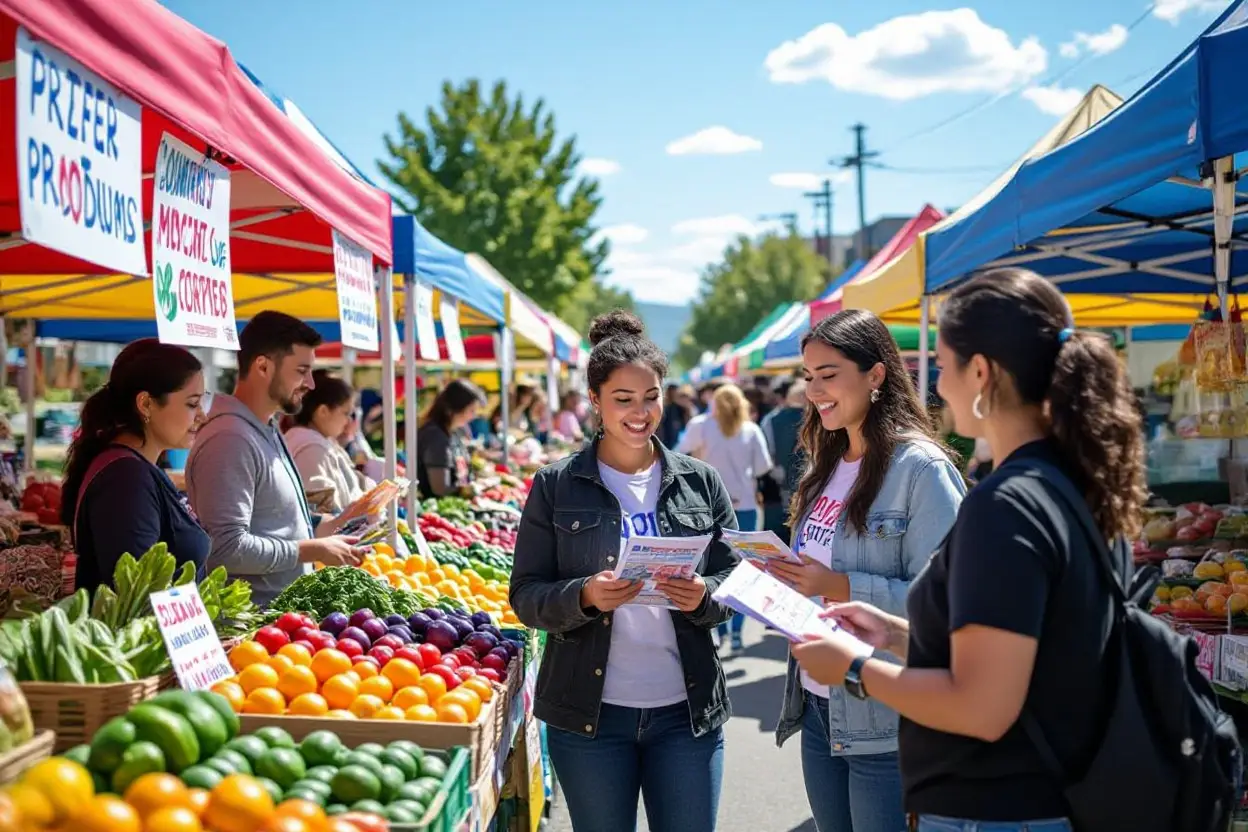
You can translate the stories you’ve read into measurable impact by joining targeted efforts: sponsor a child for $35/month to fund schooling and health care, commit 4 hours weekly to local mentoring programs, or support microloan pools that have helped 1,200 families increase earnings by 40% over five years. Small, sustained choices compound into community-wide gains; choose one action that fits your schedule and watch outcomes improve across education, nutrition, and income.
Engaging Readers: How You Can Make a Difference
You can start by matching one concrete need to a simple commitment: donate $30–50 monthly to sustain vocational training, organize a fundraiser that raises $5,000 to seed a local enterprise, or lobby your employer for a corporate match. Volunteers who provided 200 hours last year enabled three communities to run clean-water projects serving 4,500 people; your involvement multiplies resources and opens doors for long-term transformation.
Building a Lasting Legacy of Hope Through Charity
You can secure ongoing support by structuring legacy gifts: designate a bequest, create a donor-advised fund, or launch an endowment. A $50,000 endowed fund yielding 4% annually generates $2,000 per year for scholarships or training programs, sustaining services long after an initial campaign concludes.
Consider a practical example: a church established a $100,000 legacy fund that has financed vocational scholarships for 10 students yearly through a revolving loan model, with repayments recycled to support another cohort. You can set naming priorities, earmark funds for education or entrepreneurship, and use simple estate language to ensure your giving continues to lift families for decades.
To wrap up
As a reminder, you have seen how Christian charity transforms lives, providing shelter, education, and sustainable income so families escape poverty and restore dignity. Your support and advocacy enable practical programs, spiritual care, and community partnerships that produce lasting change. Continue to evaluate impact, donate responsibly, and engage others so your actions sustain hope and empower generations to thrive.
Final Words
With this in mind, you see how Christian charity transforms lives through sustained support, faith-driven service, and community partnership; these stories of hope show that your engagement—whether giving, volunteering, or advocating—directly helps families escape poverty and rebuild stability, dignity, and future opportunity, inviting you to act with informed compassion and measurable commitment.