


The Healing Legacy of Jesus
Gospel Examples and Their Patterns
You see Jesus restoring bodies and dignity across barriers: he raised three people (Jairus’ daughter, the widow’s son at Nain, Lazarus), healed a blind man in Bethsaida and the man born blind in John 9, and cured the centurion’s servant from afar (Luke 7:1–10). These accounts show you a consistent method—presence, compassion, and authority—that missions mirror today when teams blend clinical care with spiritual accompaniment, serving hundreds or thousands in clinic outreaches.
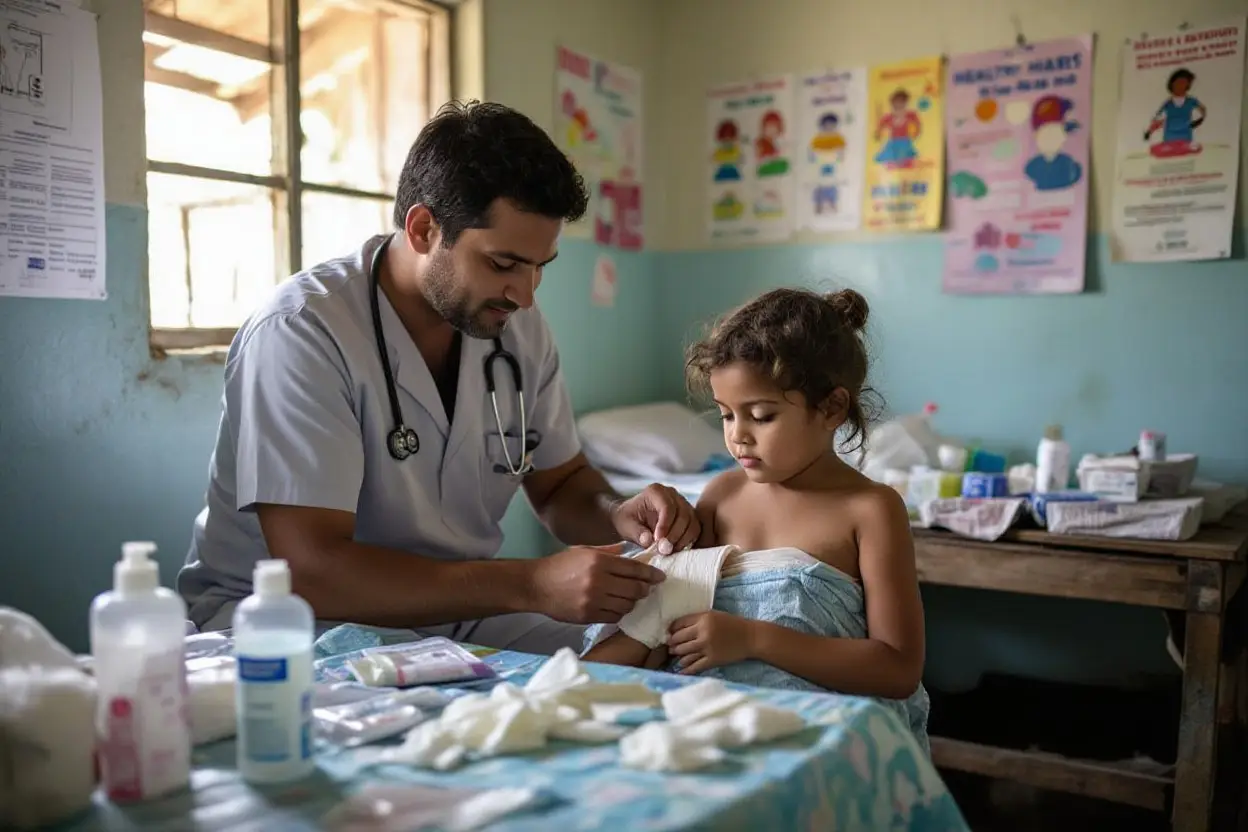
Embodying Christ’s Love Through Medical Aid
You translate belief into tangible care by treating pain, restoring function, and offering presence; mobile clinics often see 200–500 patients in a week while surgical outreach teams may perform 30–100 procedures per mission, each interaction reflecting Jesus’ hands-on ministry. You combine clinical skills with prayer, listening, and follow-up, ensuring that medical interventions become acts of solidarity, dignity restoration, and long-term partnership rather than one-off charity.
The Theology of Healing in Service
You ground healing work in Scripture: Jesus’ healings (e.g., Matthew 4:23), the Good Samaritan (Luke 10), and James’ pastoral care (James 5:14–15) frame medicine as embodied gospel. Clinical care becomes sacramental when you alleviate suffering, offer compassion, and advocate for the marginalized, connecting physiological restoration with spiritual hope and communal reconciliation.
Practical Examples of Compassionate Care
You implement compassion through concrete models: cataract camps restoring sight to dozens per mission, obstetric training that empowers 10–30 local birth attendants, chronic-disease clinics providing ongoing hypertension and diabetes management, and water-sanitation projects reducing infection risk. Multidisciplinary teams integrate counseling, patient education, and clear referral pathways to ensure continuity beyond the short-term visit.
One common model you can replicate: a 10-day outreach where clinicians see 600–900 patients, conduct 30–50 minor and 10–20 major procedures, and train 15–25 community health workers in triage, wound care, and referral protocols—creating measurable capacity that continues serving the community long after volunteers depart.
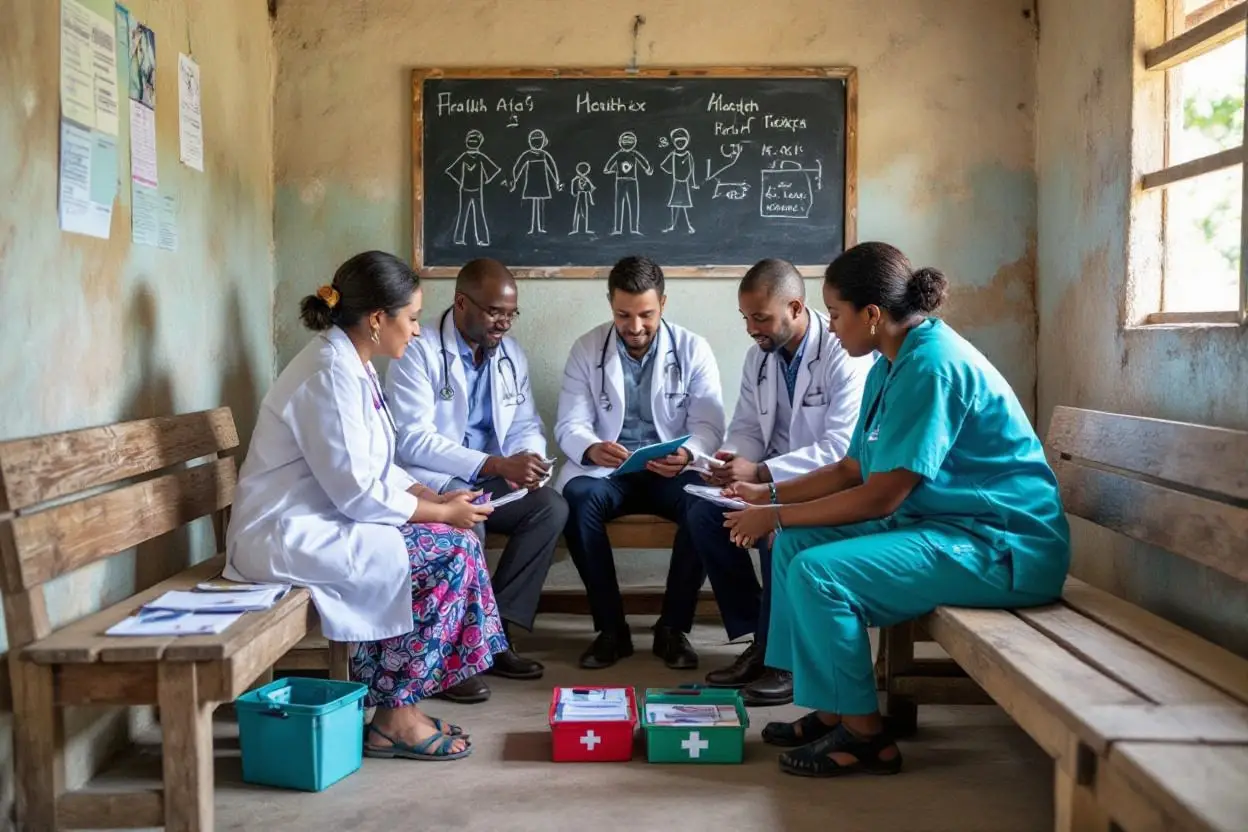
Spotlight on Transformative Medical Missions
Across continents, transformative missions blend mobile clinics, surgical camps, and sustained capacity-building so you witness systemic change: in one five-year program in rural Kenya, teams served 48,000 patients, trained 230 nurses, and helped the regional hospital double its cesarean capacity. Such programs pair outcome metrics with faith-driven service, showing you how short-term care can catalyze long-term improvements in maternal health, chronic disease management, and surgical access.
Stories from the Field: Clinics Making a Difference
In northern Uganda, a rotating clinic you support treated 12,400 patients over three years, performed 320 cataract surgeries, and restarted a childhood immunization program that raised coverage from 52% to 78%. Local midwives received obstetric emergency training, cutting referral delays by half. Those concrete outcomes show how targeted interventions in small communities translate into measurable health gains and renewed trust between providers and patients.
Partnerships That Amplify Impact
Partnering with local ministries, hospitals, and NGOs multiplies reach: an alliance between a US academic center and a provincial health department in Bolivia supported 18 months of tele-mentoring, resulting in a 40% increase in surgical case confidence among local clinicians; you benefit when supply chains, training, and funding align to extend care beyond each mission visit.
Examples show how integrated partnerships work: one collaboration trained 200 community health workers, built a cold-chain that cut vaccine stock-outs from 28% to 6% within a year, and pooled $1.1 million from church networks and grants to refurbish two district clinics; you gain sustainability when local leadership co-designs protocols, data dashboards track outcomes, and volunteers transition into paid positions.
Testimony of Transformation: Healing Journeys
Personal Accounts of Recovery and Renewal
You witness individuals like José, a 46-year-old farmer who regained hand function after a volunteer surgical team of 10 performed 42 procedures in a ten-day mobile clinic; his recovery meant he returned to work and supported four dependents. You hear from mothers whose children’s chronic infections cleared after targeted antibiotics and follow-up care, and you see how one operation can restore dignity, productivity, and a family’s financial stability within months.
The Ripple Effect of Faith and Healing
You notice that a single healed patient often catalyzes broader change: when a teacher received cataract surgery during a two-week mission, 120 pupils benefited from improved instruction, local clinics reported increased trust, and three community health volunteers adopted new screening practices learned on-site.
You observe long-term impact when missions combine care with training and follow-up: one ophthalmology outreach restored sight to 60 patients, trained five local nurses in basic post-op care, and coordinated monthly check-ins for a year, resulting in fewer complications and stronger community reliance on local services rather than sporadic external visits.
Mobilizing Support: How You Can Make a Difference
Engaging Donors in the Mission of Healing
You can convert compassion into sustained support by offering donors concrete impact options: fund a week-long clinic that treats 300 patients, sponsor a surgical kit enabling 10 operations, or underwrite training for two local nurses. Leverage matching gifts, donor-advised funds, and corporate partnerships while providing monthly giving plans, clear budgets, and patient outcome reports. Use storytelling plus hard metrics—patients served, surgeries completed, complication rates—to turn one-time gifts into long-term investment; a past campaign raised $50,000 to fund hundreds of cataract surgeries through a partnered eye clinic.
Opportunities for Medical Volunteers to Serve
You can fill roles ranging from surgeons, anesthetists, and nurses to lab techs, dental clinicians, logisticians, and interpreters; short-term teams of 8–20 often run mobile clinics seeing 200–600 patients per week during a 1–3 week mission. Many organizations accept allied health professionals and trained students for supervised roles, and nonclinical volunteers handle triage, supply management, and patient education. Look for programs that pair service with skills-transfer so your time multiplies local capacity.
Expect credential and vaccination requirements, background checks, and pre-deployment training in cultural competency and tropical medicine; program fees typically range $500–$3,000 to cover lodging, local transport, and supplies. Partnering groups—such as Mercy Ships, Operation Smile, and World Medical Mission—provide logistical support and host-site coordination, while faith-based clinics often connect volunteers with local hospitals for follow-up care. Plan for 4–6 months of preparation for licensure, clearances, and language basics to maximize your clinical impact and ensure sustainable handover to local teams.