



The Divine Mandate: Education as Spiritual Investment
Biblical Duty and Measurable Impact
You answer Proverbs 22:6 by funding schooling that blends Scripture and practical skills; each additional year of schooling raises lifetime earnings by roughly 10% (UNESCO), so your sponsorship yields both spiritual fruit and economic resilience. In programs that pair classroom support with discipleship, attendance and retention increase, producing pastors, teachers, and community leaders who multiply your investment across generations.
Transformative Power of Education: Beyond Knowledge
Education you sponsor reshapes futures by improving health, civic engagement, and economic stability alongside academic skills; the World Bank estimates each additional year of schooling raises earnings by about 10%, and community programs often cut local poverty cycles within a generation. You enable children to move from survival to vocation, equipping them with critical thinking, leadership training, and the social capital to lift families and strengthen churches.
Practical Help in Underprivileged Communities
You provide tangible supports—tuition, uniforms, school meals, clean water, and teacher training—that remove barriers to learning; programs combining these services typically boost attendance by 20–50% and reduce dropout rates. Partnering with local churches lets you channel resources into sustainable assets like repaired classrooms, trained local teachers, and community health screenings, producing measurable gains in enrollment and retention.
Discipleship and Spiritual Growth Through Learning
You foster discipleship by integrating Bible study, mentorship, and chapel into regular schooling so spiritual formation progresses alongside academics; church-led tutoring groups and weekly discipleship sessions help students internalize Christian ethics, increase local church participation, and develop servant-leadership habits that extend beyond the classroom.
You can operationalize spiritual growth with specific practices: train teachers in Christ-centered pedagogy, schedule two hours weekly for discipleship, establish a 1:10 mentor-to-student ratio, run service projects tied to curriculum, and track progress with simple metrics like chapel attendance, scripture memory, and student-led community initiatives.
Sponsorship Programs: A Bridge to Hope
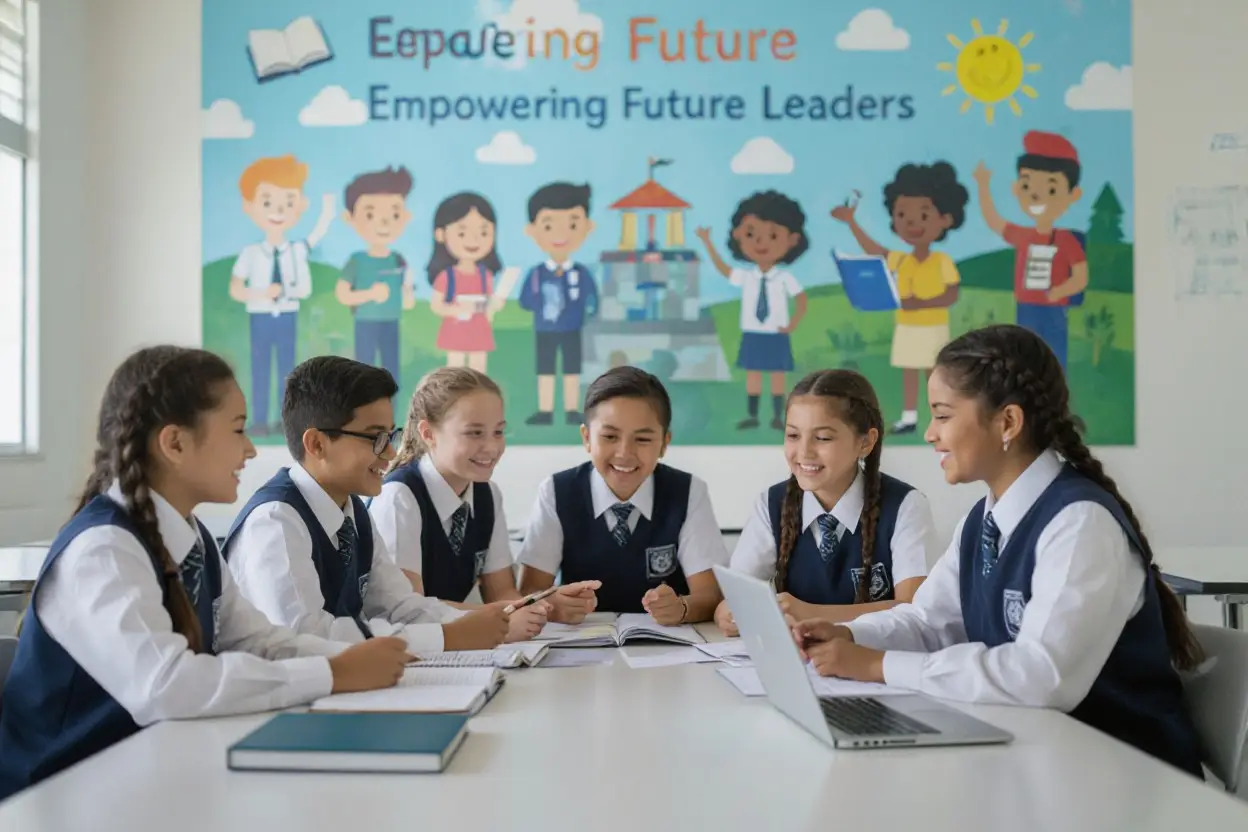
You can channel your congregation’s resources into long-term educational stability through sponsorships that target tuition, school supplies, and mentoring; many agencies allocate roughly $30–40 per child each month to those needs. Organizations like Compassion International and World Vision provide regular progress reports and photos so you see how your support translates into attendance, health checkups, and spiritual formation in specific communities.
Overview of Sponsorship Models
You’ll encounter three common models: one-to-one child sponsorship pairing a donor with a child, scholarship funds that underwrite cohorts of students, and community or school sponsorship pooling resources for infrastructure and staff. One-to-one programs typically run on monthly gifts around $30–40, while school construction or teacher-salary projects often require lump sums ranging from $5,000 to $20,000 depending on location and scope.
Impact of Sponsorship on Communities
You often see measurable gains where sponsorship is sustained: external evaluations report 15–35% improvements in enrollment, retention, and basic literacy in sponsored areas, alongside better vaccination and nutritional outcomes from integrated health services. Sponsorship-funded teacher training and school fees removal reduce dropout rates and create environments where children can concentrate on learning rather than survival.
You should note longer-term community multipliers: increased school completion correlates with roughly a 10% rise in lifetime earnings per additional year of schooling, which lifts household incomes and spurs local markets. Sponsorship that combines education with vocational training, water projects, and microloans frequently produces tangible economic and social returns across entire villages over a decade.
A Child’s Journey: The Story of Hope
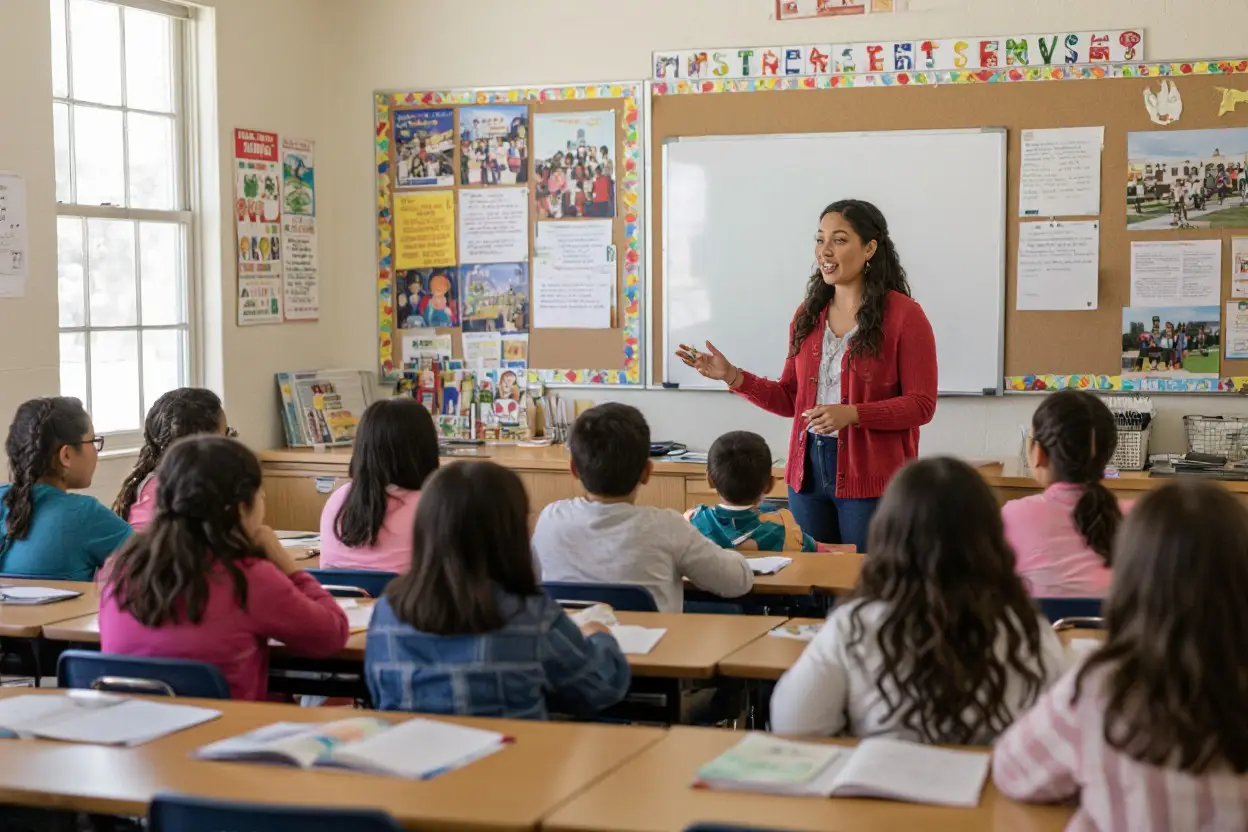
You watch progress translate into promise: in a sponsorship cohort of 300 children in rural Philippines, 11-year-old Miguel moved from irregular attendance to 95% school days and won a regional science fair within two years. Your steady support paid for uniforms, books, and tutoring that turned sporadic hope into measurable gains—grade promotions, stronger peer relationships, and a clearer vision for the future that alters family trajectories.
The Life of a Sponsored Child: Realizing Dreams
You directly impact daily realities: your monthly support (commonly $30–$50) covers tuition, health checks, and meals, enabling kids like Amina, 14, to enroll in computer classes and gain basic office skills in 18 months. Letters you send bolster motivation; programs report improved self-esteem, higher attendance, and 60–80% increases in extracurricular participation among sponsored students, translating dreams into concrete academic and vocational plans.
Educational Milestones and Personal Growth
You witness milestone markers—reading fluency, grade completion, exam success—turn into stepping stones: a five-year program showed primary completion rising from 72% to 94% and secondary enrollment doubling, while scholarship awards increased by 40%. Those numbers reflect not just academic tests but strengthened aspirations, leadership roles in school clubs, and clearer career intentions formed through mentorship.
You can trace specific milestones: by Grade 2 many sponsored children reach oral reading fluency benchmarks, by Grade 6 pass national exams at higher rates, and by secondary level several earn vocational certificates or scholarships—examples include 12 students from one district gaining trades training in plumbing and tailoring after sponsorship, leading to income-generating opportunities and reduced risk of early marriage or migration.
Planting Seeds in God’s Kingdom: The Role of Sponsors
You provide more than finances; your monthly gift—often $30–40 in many programs—pays tuition, textbooks, uniforms, and community health checks while enabling church-based discipleship and mentoring. Sponsor relationships often translate into measurable gains: higher school attendance, reduced dropout risk, and stronger community ties when local churches coordinate resources and holistic care on the ground.
Understanding the Spiritual Impact of Sponsorship
You help sustain Bible classes, Sunday school leaders, and pastoral visits that shape a child’s faith formation alongside academic growth. Regular letters and faith-centered activities from sponsors reinforce identity and hope; local church staff integrate discipleship with life skills, producing spiritual fruit that complements improved school performance and social stability.
Encouraging Long-term Commitment and Engagement
You create the deepest impact through sustained relationships—typically three to five years or more—paired with monthly communication and periodic visits. Consistent support allows programs to plan scholarships, teacher retention, and vocational training, turning short-term assistance into generational change.
Practical steps you can take include scheduling monthly prayer and letter-writing, funding specific goals like secondary scholarships or a teacher’s salary, and reviewing program reports and test-score data to monitor progress. When you sponsor learning materials or vocational stipends, local partners can track attendance and job placement outcomes; combining financial support with personal involvement multiplies both academic and spiritual returns.