

The Transformative Power of Kindness
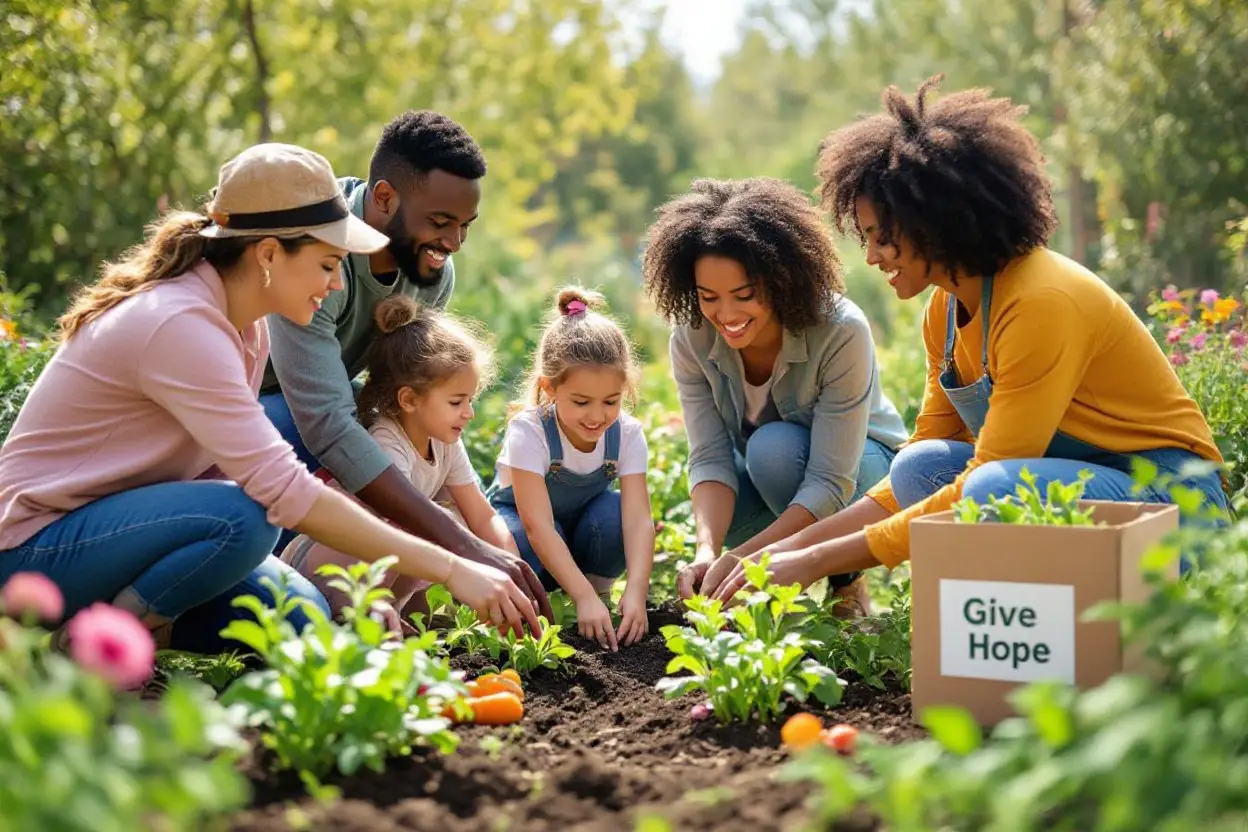
Local Acts, Global Results
You witness transformation when small, targeted generosity scales: microloans of $50–$200 have helped millions of entrepreneurs worldwide, and Grameen-style programs now serve over 8 million borrowers, mostly women. Volunteer-run clinics that operate one day a week can screen 1,000+ patients annually, lowering ER visits and improving chronic care. When you donate time or funds with clear goals and measurement, program reach often increases by 20–30%, turning single acts of kindness into sustained community change.
Catalyzing Change: One Generous Act at a Time
Your small gift can trigger measurable shifts: a $50 donation purchased water filters in a village project, reducing waterborne illness and returning school days to children. Global monitoring showed 2.2 billion people lacked safely managed drinking water in 2019, so faith-led interventions that pair funding with local training accelerate results. You witness multiplication when churches coordinate logistics, monitor outcomes, and entrust leadership to locals—each act becoming the first domino in wider community transformation.
The Journey from Donor to Family
Your gift often enters a clear pipeline: church partner assesses needs, local leaders administer aid, and periodic mentoring follows disbursement. Microfinance platforms report repayment rates above 95%, converting a $200 loan into lasting household income and community hiring. You stay connected through updates, site visits, and sponsorship communication, evolving from anonymous donor into a known supporter whose encouragement and accountability help families sustain progress over years.
Unpacking Community Impact
Church-led projects show measurable gains you can track: school enrollment, household income, clinic visits, and social cohesion. In several programs, school attendance increases 15–25% after reliable water and nutrition support, while microenterprise rounds create local jobs. You evaluate ripple effects by comparing baseline surveys with 6–12 month follow-ups and collecting qualitative stories that reveal restored dignity, reduced debt, and strengthened neighbor networks.
For deeper analysis, focus on five KPIs you can report: percent change in household income, school retention, under-five morbidity, loan repayment, and civic participation. Combine baseline quantitative surveys, quarterly monitoring, and qualitative interviews to triangulate outcomes. Set clear targets (for example, 20% income growth or 90% school retention) and publish annual summaries so your giving links to transparent, evidence-based community progress.
Faith in Action: Miracles of Multiplication
A single offering—five loaves and two fish—fed about 5,000 men plus women and children, with twelve baskets of leftovers, showing how small resources can be transformed into abundant provision; you see this pattern when your gifts are organized into networks, volunteers, and logistics that convert a little into sustained community support during both routine needs and crises.
The Biblical Story of Loaves and Fishes
Matthew 14:13–21, Mark 6:30–44, Luke 9:10–17 and John 6:1–14 record Jesus taking five loaves and two fish, giving thanks, and feeding roughly 5,000 men—plus families—leaving twelve baskets of fragments; you observe how blessing, distribution, and communal participation combine so that the disciples’ simple action yields exponential provision and leftover resources for future use.
Modern-Day Examples of Generosity
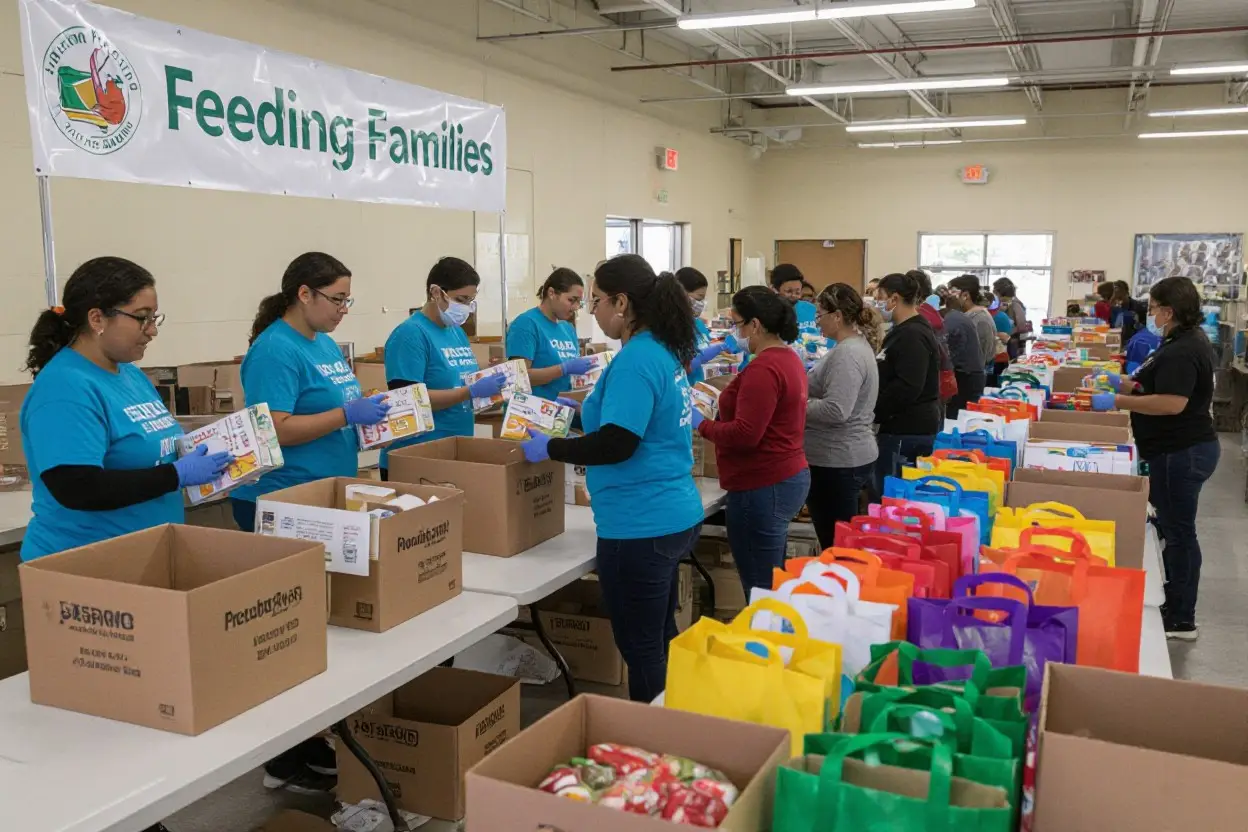
Feeding America’s network of about 200 food banks and 60,000 partner pantries and meal programs serves over 40 million people annually, while the Trussell Trust supports more than 1,200 food bank centers across the UK; you witness churches converting modest weekly offerings into coordinated meal programs, pop-up pantries, and voucher systems that scale rapidly when volunteers and local partners mobilize.
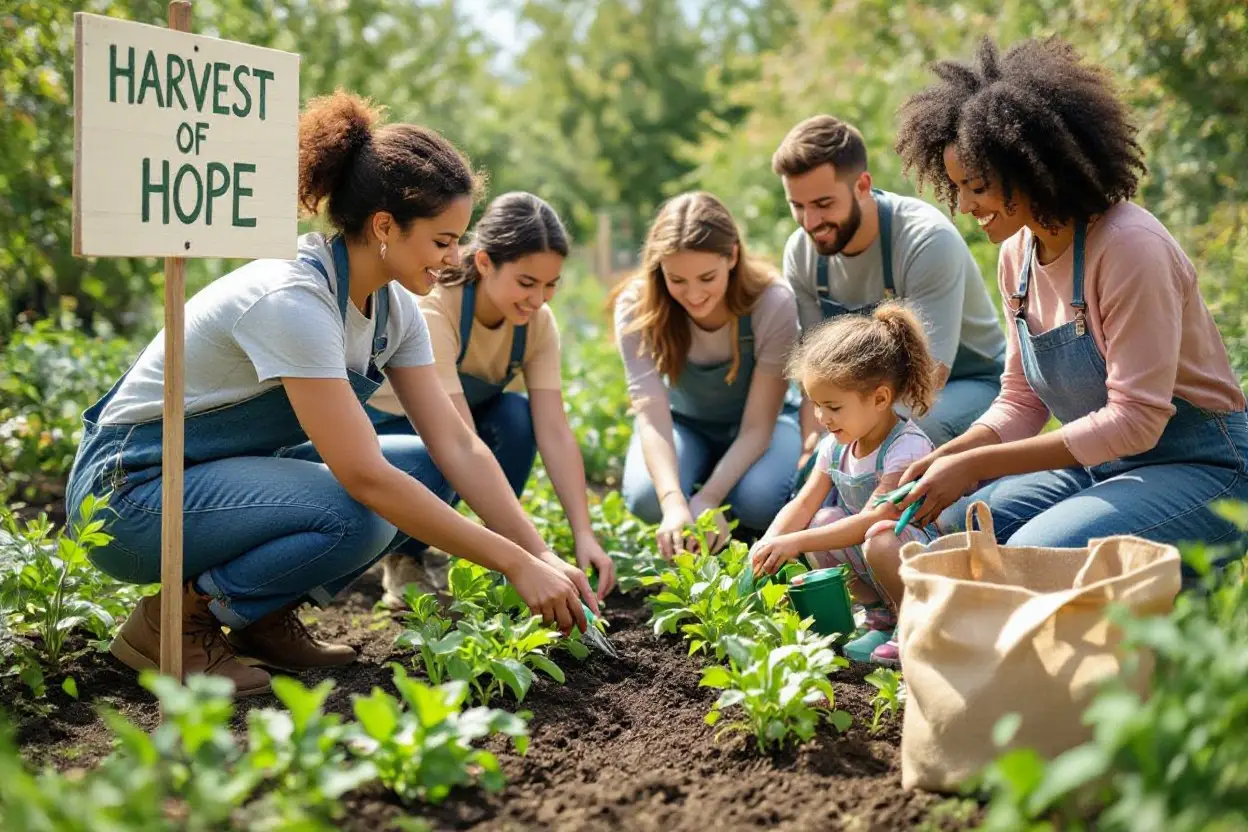
Matching gift campaigns (commonly 1:1) immediately double donor impact and spur giving, and volunteer teams can pack several thousand meal kits in a single day; microloan approaches—your $25 loan on platforms like Kiva—are often repaid and reissued, and congregation-run community gardens can yield thousands of pounds of produce yearly when your members supply land, labor, and distribution channels.
Success Stories: Community Case Studies in Generosity
You can see tangible outcomes in these case studies: city coalitions and individual congregations converted donations into meals, jobs, homes, and youth programs, producing measurable shifts in local wellbeing—measured by meals served, dollars leveraged, volunteer hours, and outcome improvements—so you can trace how your giving translates into community change.
- 1) Springfield Food Network (2022–2023): congregations pooled $150,000 and 4,800 volunteer hours to operate three pantries, distributing 62,000 meals to 9,400 households; emergency meal requests dropped 28% in targeted ZIP codes.
- 2) Eastside Microloan Initiative (2021–2024): $220,000 in faith-based capital funded 86 microloans (avg $2,558); 68 small businesses launched or expanded, creating 142 jobs; repayment rate 94%.
- 3) Riverview After-School Program (2020–2023): weekly tutoring and mentorship reached 320 students; reading proficiency rose 17% and middle-school absenteeism fell 23%; program cost $85 per student annually.
- 4) Coastal Disaster Relief Coalition (2023 response): churches raised $375,000 and mobilized 1,200 volunteer days to repair 312 homes within six months, housing 1,050 people and reducing temporary shelter reliance by 41%.
- 5) Hope Housing Partnership (2019–2024): faith groups contributed land and $1.8M in funding to build 48 affordable units; average construction subsidy $37,500 per unit; 48 families housed, 62% previously on local waiting lists.
Highlighting Local Beneficiaries
You observe direct beneficiaries in these stories: low-income families receiving monthly food boxes (1,200+ households served in one initiative), single parents accessing after-school care that raised on-time school attendance by 19%, and seniors getting home repairs that reduced fall-related ER visits by 12%—concrete improvements you can point to in your community reports.
The Broader Community Ripple Effect
You notice multiplier effects when churches coordinate: donated dollars often unlock matching grants, volunteer engagement boosts local hiring, and stabilized families increase consumer spending—one regional coalition reported every $1 of congregational giving leveraged an additional $0.65 in public and private funds within two years.
You can measure secondary outcomes by tracking indicators like local employment (+142 jobs in a microloan program), decreased emergency service use (28–41% drops in food or shelter demand), and housing stability; these downstream metrics help you demonstrate how targeted generosity scales beyond immediate aid into sustained community resilience.
Building Bridges: The Role of Group and Church Partnerships
When you connect congregational resources with local nonprofits, scale multiplies: Feeding America’s network of 200 food banks and 60,000 pantries routinely partners with churches to expand distribution, while church coalitions mobilize volunteers, donate space, and share expertise to serve thousands more than isolated efforts allow.
Collaborative Initiatives that Work
Food pantries, Habitat for Humanity builds, and community health clinics thrive when you coordinate schedules, fundraising, and volunteer training across 5–20 congregations; for example, multi-church home builds often complete projects 30–40% faster thanks to pooled labor, donated materials, and centralized volunteer management.
Inspiring Lasting Community Connections
Weekly joint programs—ESL classes, after-school tutoring, recovery groups—turn one-off aid into ongoing relationships, and when you commit three to five years, local leaders typically report deeper trust, improved program continuity, and steadier volunteer engagement.
Measure lasting impact by tracking monthly service hours, repeat-client percentage, and volunteer return rates; aim for program continuity of 12+ months, a 50% volunteer retention after one year, and year-over-year growth in repeat clients to demonstrate durable community ties and justify scaling partnerships.